

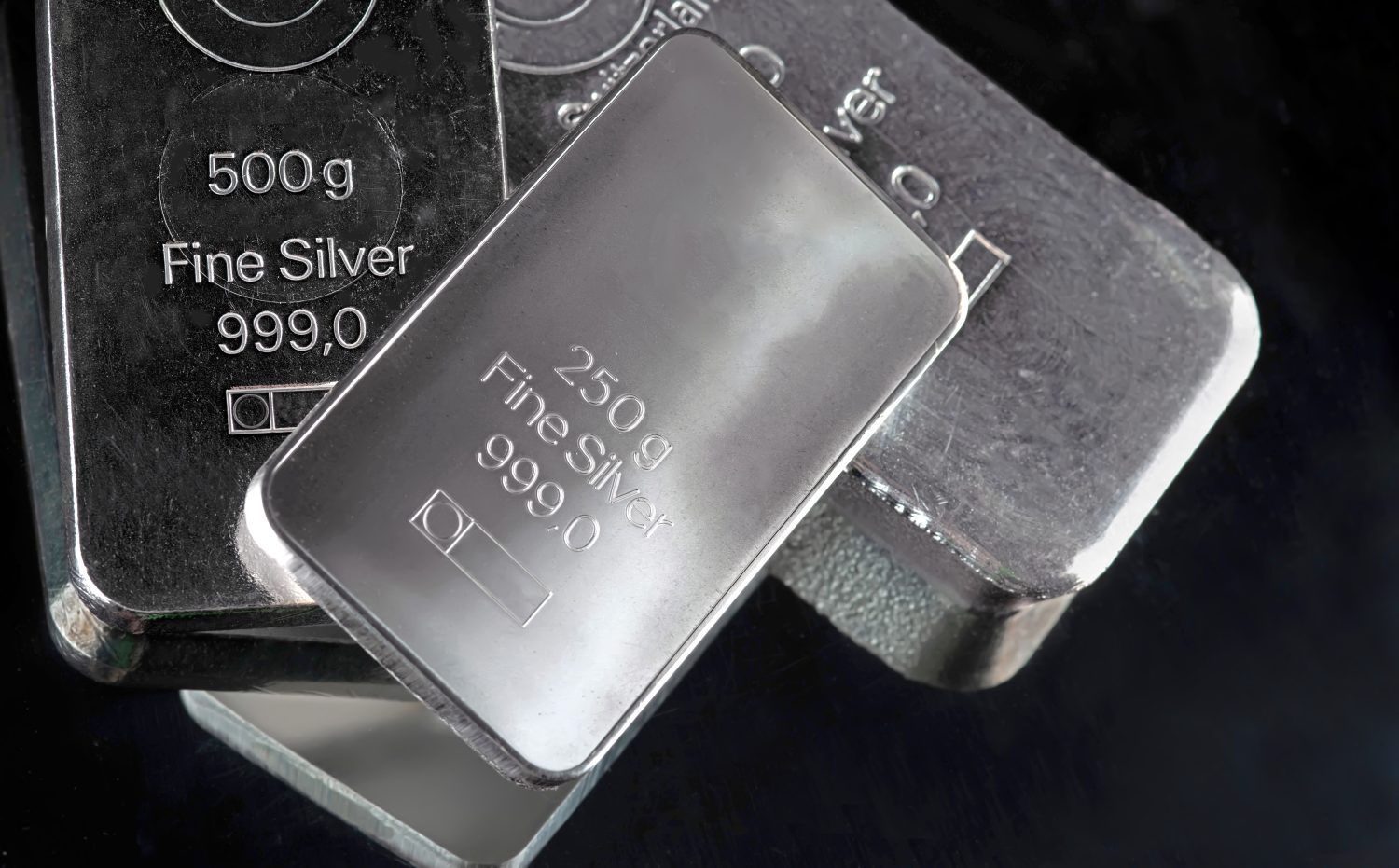
SLV’s $149,842 Gain on a $300,000 Sale Could Be Taxed as a Collectible, Not a Stock

Over the five years from November 11, 2021, to November 11, 2026, the iShares Silver Trust (NYSEARCA:SLV) returned 99.79%. A retiree who sold SLV shares for $300,000 at the end of that window in a hypothetical sale shows the impact. The gain built into that sale comes to $149,842. The IRS taxes that gain under the rules for silver bars, and those rules can cost more than the ones covering stock funds.
Many investors assume every exchange-traded fund is taxed the same way. SLV trades like a stock and sits next to stock funds in a brokerage account. The tax code treats it differently, and that difference can reduce a retirement withdrawal.
Why Your Silver ETF Is Taxed Like a Coin Collection
SLV owns no companies, earns no revenue, and pays no dividends. The fund is a grantor trust (a pass-through holding structure) that stores physical silver bullion in vaults, and each share represents a fractional undivided beneficial interest in that metal. For tax purposes, holders are treated much like owners of the silver itself.
The tax code counts any metal or gem as a collectible, alongside art, rugs, antiques, stamps, and alcoholic drinks. It also treats gain from selling an interest in such a trust as collectibles gain when that gain comes from unrealized appreciation in the value of collectibles. Per IRS Publication 550, collectibles gain covers metals “such as gold, silver, and platinum bullion” held for more than 1 year, plus gain from selling an interest in a trust “due to unrealized appreciation of collectibles”.
A 28% Ceiling Where Stock Funds Top Out at 20%
Per IRS Publication 550, collectibles gain carries a maximum capital gain rate of 28%. The same publication lists maximum capital gain rates of 0%, 15%, 20%, 25%, and 28%. Long-term gains on ordinary stock funds fall into lower tax brackets. For single filers, 15% applies at taxable income of $48,351 to $533,400 ($96,701 to $600,050 for married couples filing jointly). The 20% rate applies at $533,401 or more ($600,051 or more jointly).
That 28% works as a ceiling. Publication 550 notes that “if you are otherwise subject to a rate lower than 28%, the 28% rate does not apply.” So whether SLV costs you more depends on your bracket.
Fees Quietly Paid in Ounces
The trust pays its sponsor fee by periodically selling small amounts of silver. That steadily reduces the ounces backing each share, so SLV can trail spot silver even when the metal’s price stays flat. The trust generates no dividends or interest, so nothing offsets that drag. Your entire return comes from silver’s price, and that price gain is exactly what the collectibles rate reaches.
Where the Rule Applies and Where It Stops
The collectibles rate applies only to shares held more than one year. Gains on shares held one year or less are short-term and taxed as ordinary income whether you own SLV or a stock fund. The rule also applies only in taxable brokerage accounts. Inside an IRA or other tax-advantaged account, gains are not taxed this way when realized.
Timing adds pressure. SLV has fallen 29.87% year to date through November 12, 2026, trading at $45.18. Long-term holders can still carry large embedded gains. A volatile market may lure them to lock those gains in, and the trust’s structure sets the rate they face when they do.
Questions to Ask Before Your Next Metal Trade
Before purchasing a metal fund, check two things in its prospectus. Does it hold physical metal? How are its gains taxed? Then decide which account should hold it, because the same silver position faces different tax treatment in a brokerage account than in an IRA.
If you already own SLV through a brokerage and plan to sell, a tax professional can confirm how your bracket interacts with the 28% ceiling. The collectibles rate is one of several quiet IRS rules that can drain a retirement account, and we mapped the rest in a free guide here. The tax treatment is part of the total cost of holding silver exposure through SLV.
Released: The Definitive Guide to Retirement Income
(Sponsor) Most people spend their entire working lives focusing on one thing: growing a pile of money. Then they retire and discover the skill they actually need is close to the opposite. Turning that pile into steady income, year after year, through good markets and bad, without ever running out.
It may be the least discussed and most consequential transition in personal finance, and plenty of otherwise careful investors walk into it with no real plan. That is exactly what The Definitive Guide to Retirement Income helps answer. It is a free guide from Fisher Investments covering what your retirement will really cost, where the cash flow should come from, and how much you can safely withdraw each year. Learn more here. Learn More Here ›




