


Obsession Review
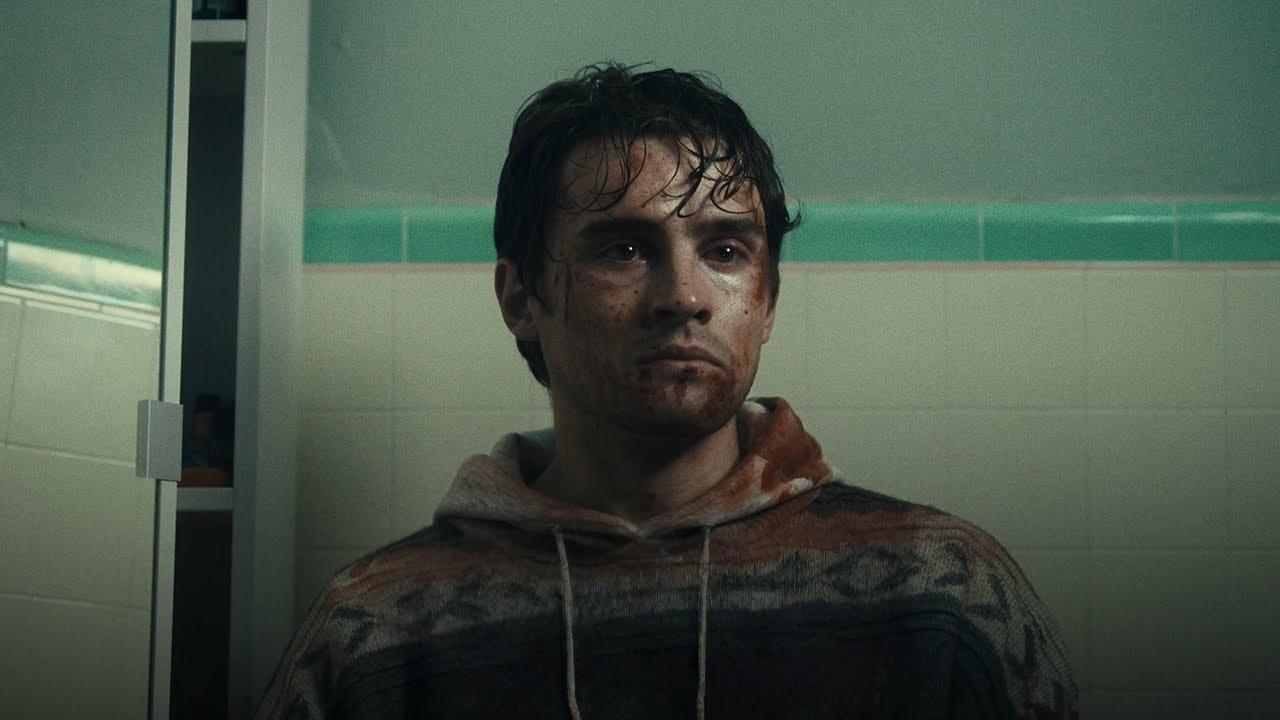

Obsession, the debut horror feature by Curry Barker, mines familiar territory to turn up a tale that still feels fresh and delightfully wicked. The premise will be familiar to anyone with a casual knowledge of horror tropes or irony. This self-assured debut is the most built-out modern entry in the Monkey’s Paw wish-fulfillment school of storytelling, and even this familiarity turns out to be an asset.
Barker is a comedian/actor and YouTuber whose transition to mainstream, big screen cinema is considerably graceful. Like fellow sketch/improv comedians turned filmmakers Jordan Peele and Zach Cregger, Barker’s comedic timing translates into strong pacing and narrative economy, with humor offsetting and intensifying the horror beats.
Obsession is also the latest in the the streamer-to-Hollywood pipeline, a trend that’s shaping much of the 2026 cinemascape. Earlier this year, YouTuber Markiplier self-funded horror hit Iron Lung. Influencer Jordan Firstman, recently sparked a Cannes bidding war with debut Club Kid, and Backrooms, based on the liminal horror YouTube series, hits cinemas later this month. Like earlier streamer stalwarts Raka Raka whose debut Talk to Her was deft and disturbing, Obsession reflects the storytelling prowess cultivated by navigating virality and subverting expectations. Audiences likely know how this story will end, but how it gets there and the specific horrors that ensue are so well executed that genre fans will find themselves on a journey as enthralling as it is familiar.
Obsession revolves around Bear (Michael Johnston, oscillating between hapless bumbler and problematic manchild) who is hopelessly in love with long-time friend Nikki (Inde Navarrette), who’s also his coworker at a local music store where the rest of his friend group/trivia team Ian (Cooper Tomlinson) and Sarah (Megan Lawless) work. Bear and Nikki share a past as high school outcasts, but Bear’s cloyingly earnest crush blinds him to how uninterested Nikki is in the type of love Bear has to offer.
His attempt to butter her up with a gift leads him to a new age store where he spots the mysterious object that puts the plot into motion. From there, Obsession becomes an exercise in, and proof that, there might not be new stories so much as interesting ways of telling them. Much of Obsession’s appeal comes from what it does with a familiar premise and how ably it twists the irony of the love potion gone wrong to explore the discourse around relationships, codependency, and mental illness without turning its themes into a boogeyman outright a la the excesses of the elevated horror era.
As Bear, Johnston is an able lead. His tepidness and exasperation periodically giving way to a more cunning, selfish operator when the realities of his choices confront him. But the film belongs to Navarrette. As Nikki, she does the film’s heavy lifting, ably selling the transition from cynical and bitchy to doting, effusive girlfriend and then gleeful, relentless girlboss of a different kind. Barker mines tropes and motifs around domestic violence and mental health, putting Bear in increasingly chaotic situations where any action can trigger an outsized, irrational, frightening response. Navarrette particularly shines during a party scene that communicates the extent to which she’s not herself, as her attempts to play a drinking game lead to an awkward story that baffles the other guests as her face curls at the deliciousness she finds in her own tale.
Navarette does a lot with her smile. Pre-wish Nikki is notably not-impressed, not with her life and certainly not with Bear’s thinly veiled nice guy schtick. Post-wish Nikki tries on different smiles, wearing them until Bear’s slight provocations – pulling away from a cuddle, trying to go to a party alone – send her into a rage. And then there are the smiles that Barker intentionally casts in shadows and glares that give the film an added sheen of horror. It’s in these moments that Barker’s film horrifies by letting the camera linger in well-constructed contrasts of light that warp Naverette’s face to give the audience glimpses into the reality behind Nikki’s façade.
And this is essentially Obsession’s strength. It takes a well-known set-up and infuses every beat with craft, skill, and scares. It’s a welcome showcase for Barker’s storytelling abilities. By adopting a story that’s less about sympathizing with the characters as it is about watching them get their comeuppances, Obsession serves as a vehicle for one horrifying set piece after another. Even moments where the outcome seems obvious have their own tension. Much of the charm is in the inevitability of the horror and the dread that gradually and surely consumes every ounce of kindness around it.
Still, if Obsession were just a series of ghoulish set-ups for gory kills, it wouldn’t work half as well as it does. There’s a natural, lived-in element to Obsession’s characters, and Barker writes with a sense of honesty that speaks to the interiority of his characters even as that honesty rots into cynicism. For a film about a hopeless romantic, this is a delightfully unsympathetic film that escapes predictability and the feeling of being telegraphed by delivering with tension, tone, and proper madness.
Author Bio: BJ Thoray is a writer/editor of fiction, media criticism, and more. BJ’s fiction has appeared in Rundelania!, Black Cat Weekly, Mobile Data Mag, Quasar Review, and Kosmos Obscura. Film writing can be found in Taste of Cinema, High on Films, and Film25. Originally from California, BJ is currently based in Belgium (less for the waffles, more for the surrealism). The work: https://linktr.ee/bjthoray.



 Čeština
 French
 Spanish
 Portuguese
 Deutsch
 Turkish
 Dutch
Dutch
 Italiano
 Russian
 Romaian
 Portuguese (Brazil)
 Greek
Greek
 Slovenčina