


Navigating the Future of Air Travel: Technological Innovations and Strategic Airport Access Control Market Forecast Models
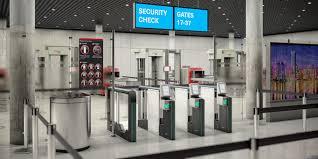
The aviation industry is currently standing at a crossroads where digital innovation meets rigorous safety mandates. The necessity to upgrade legacy systems has never been more pressing, as cyber-physical threats become more sophisticated. The integration of Internet of Things (IoT) devices within airport perimeters is allowing for a more interconnected security mesh. These devices communicate in real-time, providing a multi-layered defense strategy that includes perimeter intrusion detection, automated gate control, and mobile credentialing. Mobile-based access control is particularly gaining traction, allowing employees to use their smartphones as secure digital keys, which simplifies credential management for HR and security departments. This shift toward virtualization helps in reducing the physical hardware footprint while increasing the flexibility of the security infrastructure. As traffic volumes return to pre-pandemic levels, the pressure on airports to maintain high security without compromising passenger throughput is driving the adoption of high-speed automated lanes.
Looking ahead, the industry is expected to see a significant tilt toward cloud-based security management platforms. These platforms offer scalability and remote management capabilities that were previously unattainable with on-premise solutions. Cloud integration allows for seamless updates to security protocols across multiple airport locations, ensuring a unified security posture. Moreover, the move toward "Single Token" travel, where a passenger’s biometric data serves as their passport and boarding pass, is revolutionizing access control at various checkpoints. This holistic approach not only enhances the passenger experience but also tightens the security loop around restricted airside areas. The role of data analytics will also expand, providing insights into traffic patterns and potential bottlenecks, thereby allowing for better resource allocation. For detailed insights into upcoming trends, the Airport Access Control Market Forecast offers a comprehensive outlook on the technological trajectory and expected investment cycles in the coming years.
Why is mobile credentialing becoming popular in airports? It offers a cost-effective and convenient way to manage access rights dynamically, allowing for instant revocation or granting of permissions without the need for physical cards.
How does cloud integration benefit airport security managers? It provides a centralized dashboard for monitoring multiple sites, reduces the need for local server maintenance, and ensures that security software is always up to date.




 English
 Čeština
 French
 Spanish
 Portuguese
 Deutsch
 Turkish
 Italiano
 Russian
 Romaian
 Portuguese (Brazil)
 Greek
Greek
 Slovenčina