


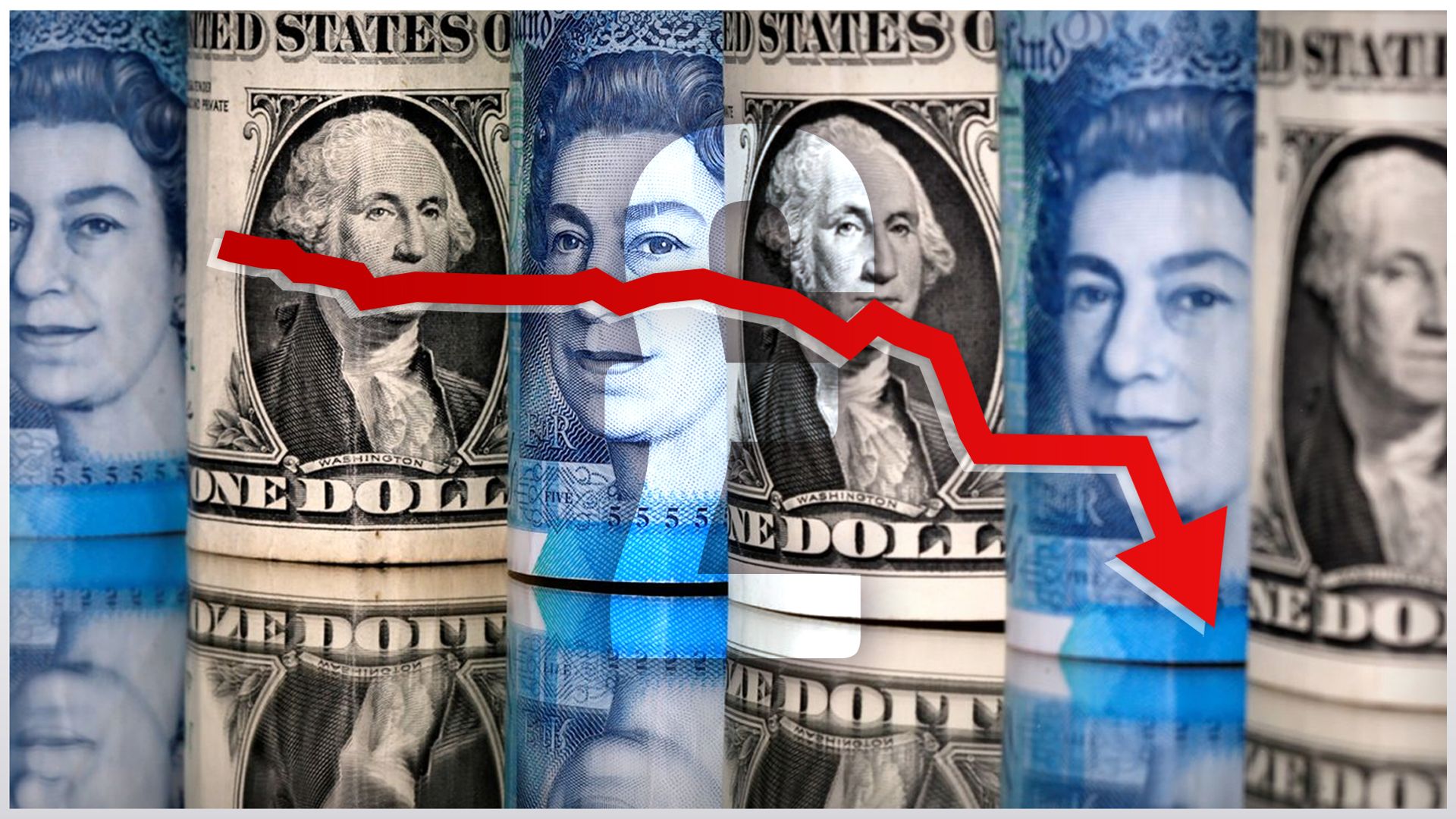
The current state of the US dollar has many people feeling uneasy; it’s being described as a "falling chainsaw." This bold metaphor highlights just how precarious the situation is. As the dollar continues to lose value, the impact reaches far beyond the financial markets—it affects everything from the cost of everyday goods to international trade.
Have you noticed rising prices at the grocery store or gas station lately? That’s largely influenced by the weakening dollar. When the dollar declines, imports become more expensive, which ultimately gets passed down to consumers. It’s a chain reaction that can squeeze household budgets.
Additionally, a faltering dollar can affect our global standing. Countries rely on the stability of the dollar, and when that stability is questioned, it can shake confidence among international partners. This could lead to shifts in how trade is conducted and may even affect investments and job markets here at home.
So, what does this mean for you? It might be time to reassess your finances and consider how a weaker dollar could change your spending habits. Are there strategies you can implement to prepare for potential economic fluctuations?
Take a moment to think about how these changes could impact your financial future.
https://news.sky.com/story/dollar-has-become-a-falling-chainsaw-what-it-means-for-you-13499913
#DollarDecline #Economy #FinancialAwareness #MarketTrends
Have you noticed rising prices at the grocery store or gas station lately? That’s largely influenced by the weakening dollar. When the dollar declines, imports become more expensive, which ultimately gets passed down to consumers. It’s a chain reaction that can squeeze household budgets.
Additionally, a faltering dollar can affect our global standing. Countries rely on the stability of the dollar, and when that stability is questioned, it can shake confidence among international partners. This could lead to shifts in how trade is conducted and may even affect investments and job markets here at home.
So, what does this mean for you? It might be time to reassess your finances and consider how a weaker dollar could change your spending habits. Are there strategies you can implement to prepare for potential economic fluctuations?
Take a moment to think about how these changes could impact your financial future.
https://news.sky.com/story/dollar-has-become-a-falling-chainsaw-what-it-means-for-you-13499913
#DollarDecline #Economy #FinancialAwareness #MarketTrends
The current state of the US dollar has many people feeling uneasy; it’s being described as a "falling chainsaw." This bold metaphor highlights just how precarious the situation is. As the dollar continues to lose value, the impact reaches far beyond the financial markets—it affects everything from the cost of everyday goods to international trade.
Have you noticed rising prices at the grocery store or gas station lately? That’s largely influenced by the weakening dollar. When the dollar declines, imports become more expensive, which ultimately gets passed down to consumers. It’s a chain reaction that can squeeze household budgets.
Additionally, a faltering dollar can affect our global standing. Countries rely on the stability of the dollar, and when that stability is questioned, it can shake confidence among international partners. This could lead to shifts in how trade is conducted and may even affect investments and job markets here at home.
So, what does this mean for you? It might be time to reassess your finances and consider how a weaker dollar could change your spending habits. Are there strategies you can implement to prepare for potential economic fluctuations?
Take a moment to think about how these changes could impact your financial future.
https://news.sky.com/story/dollar-has-become-a-falling-chainsaw-what-it-means-for-you-13499913
#DollarDecline #Economy #FinancialAwareness #MarketTrends





 Čeština
 French
 Spanish
 Portuguese
 Deutsch
 Turkish
 Dutch
Dutch
 Italiano
 Russian
 Romaian
 Portuguese (Brazil)
 Greek
Greek
 Slovenčina