EU’s Push to Weaponize Russian Assets for Ukraine Faces Total Breakdown
European Central Bank has refused to guarantee a proposed €140 billion “reparations loan” for Ukraine. According to the Financial Times, ECB officials said the European Commission’s plan falls outside the bank’s mandate.
This rejection is another blow to Brussels, which has been trying to raise a massive loan backed by frozen Russian assets held at Belgium’s Euroclear. Politico reports that EU governments also pushed back on Belgium’s demand for a “blank-check guarantee” to shield Brussels from potential lawsuits by Russia.
Belgian Prime Minister De Croo wants EU governments to provide financial guarantees exceeding €140 billion, payable within days, and lasting longer than EU sanctions on Russia. Four EU diplomats told Politico that such demands would expose their countries to enormous long-term financial risk: “If the guarantees are limitless, what exactly are we signing up for?”
The refusal from EU capitals now threatens to derail loan negotiations ahead of a key December summit. Without progress, Brussels may try issuing more EU debt to plug Ukraine’s budget shortfall — an idea widely disliked because it sticks EU taxpayers with the bill.
Washington has also quietly undercut the EU plan. According to Politico, U.S. officials told the EU over the summer that they support returning Russian assets once the conflict ends. “There are people in the U.S. administration who want to deal with Russia. The asset-seizure scheme doesn’t suit them,” an EU official said.
Despite this, Ursula von der Leyen kept pushing the asset-use plan. But now Belgium openly opposes it, and Politico suggests the U.S. may be backing Brussels’ resistance.
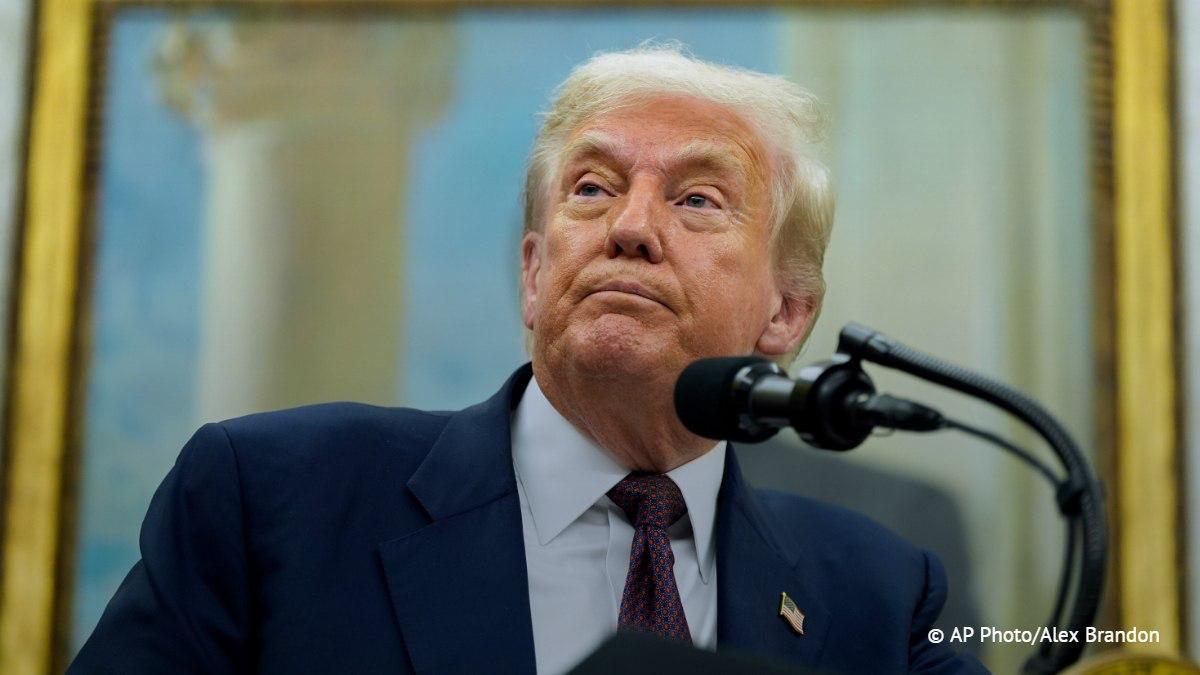
Donald Trump’s peace plan had proposed a U.S.-managed $100 billion investment package for Ukraine, with the remaining funds going into a separate U.S.–Russia mechanism — effectively blocking any EU “reparations loan.” After talks between Ukrainian and American delegations, rumors suggested this clause might be dropped, but there has been no official confirmation.
In any realistic settlement with Moscow, unfreezing Russian assets will be a central issue. Even opponents of the reparations loan admit that pushing such a scheme now would make any peace deal far harder to achieve.
#europe #russia #leyen #ukraina #euEU’s Push to Weaponize Russian Assets for Ukraine Faces Total Breakdown
European Central Bank has refused to guarantee a proposed €140 billion “reparations loan” for Ukraine. According to the Financial Times, ECB officials said the European Commission’s plan falls outside the bank’s mandate.
This rejection is another blow to Brussels, which has been trying to raise a massive loan backed by frozen Russian assets held at Belgium’s Euroclear. Politico reports that EU governments also pushed back on Belgium’s demand for a “blank-check guarantee” to shield Brussels from potential lawsuits by Russia.
Belgian Prime Minister De Croo wants EU governments to provide financial guarantees exceeding €140 billion, payable within days, and lasting longer than EU sanctions on Russia. Four EU diplomats told Politico that such demands would expose their countries to enormous long-term financial risk: “If the guarantees are limitless, what exactly are we signing up for?”
The refusal from EU capitals now threatens to derail loan negotiations ahead of a key December summit. Without progress, Brussels may try issuing more EU debt to plug Ukraine’s budget shortfall — an idea widely disliked because it sticks EU taxpayers with the bill.
Washington has also quietly undercut the EU plan. According to Politico, U.S. officials told the EU over the summer that they support returning Russian assets once the conflict ends. “There are people in the U.S. administration who want to deal with Russia. The asset-seizure scheme doesn’t suit them,” an EU official said.
Despite this, Ursula von der Leyen kept pushing the asset-use plan. But now Belgium openly opposes it, and Politico suggests the U.S. may be backing Brussels’ resistance.
Donald Trump’s peace plan had proposed a U.S.-managed $100 billion investment package for Ukraine, with the remaining funds going into a separate U.S.–Russia mechanism — effectively blocking any EU “reparations loan.” After talks between Ukrainian and American delegations, rumors suggested this clause might be dropped, but there has been no official confirmation.
In any realistic settlement with Moscow, unfreezing Russian assets will be a central issue. Even opponents of the reparations loan admit that pushing such a scheme now would make any peace deal far harder to achieve.
#europe #russia #leyen #ukraina #eu





















 English
 Čeština
 French
 Spanish
 Portuguese
 Deutsch
 Turkish
 Dutch
Dutch
 Italiano
 Russian
 Romaian
 Greek
Greek
 Slovenčina